
People imagine festival filming as pointing cameras at dancing. The dancing is the easy part. The real work is a 72-hour operating system with three acts, and the clock starts before the first workshop.
Act one: what do we capture?
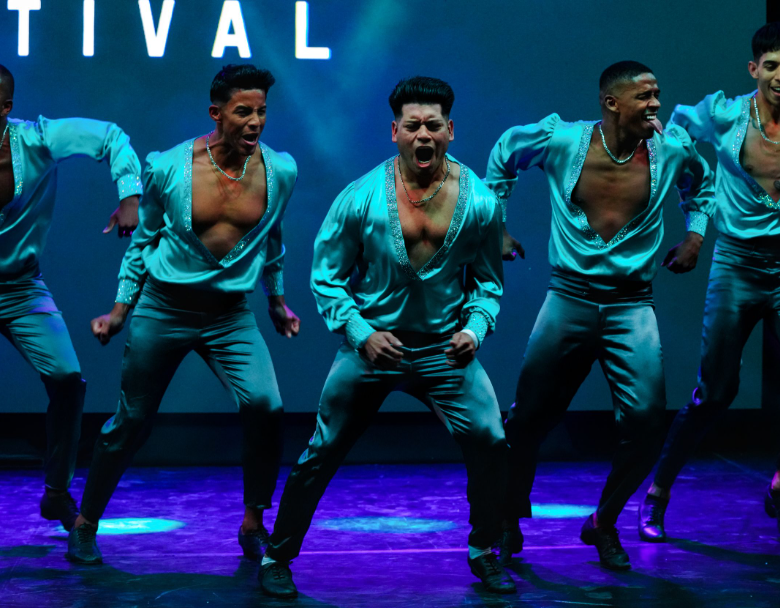
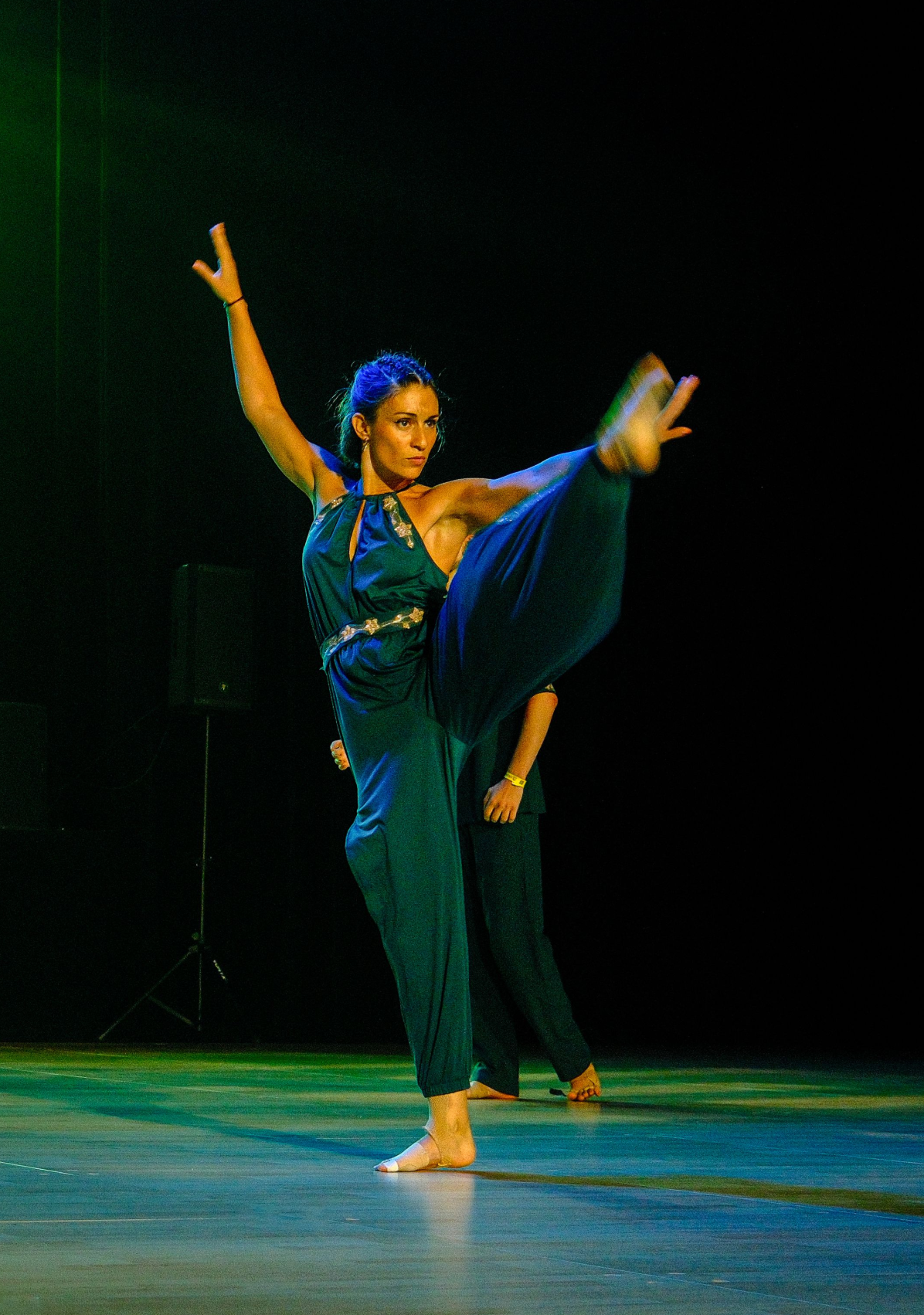
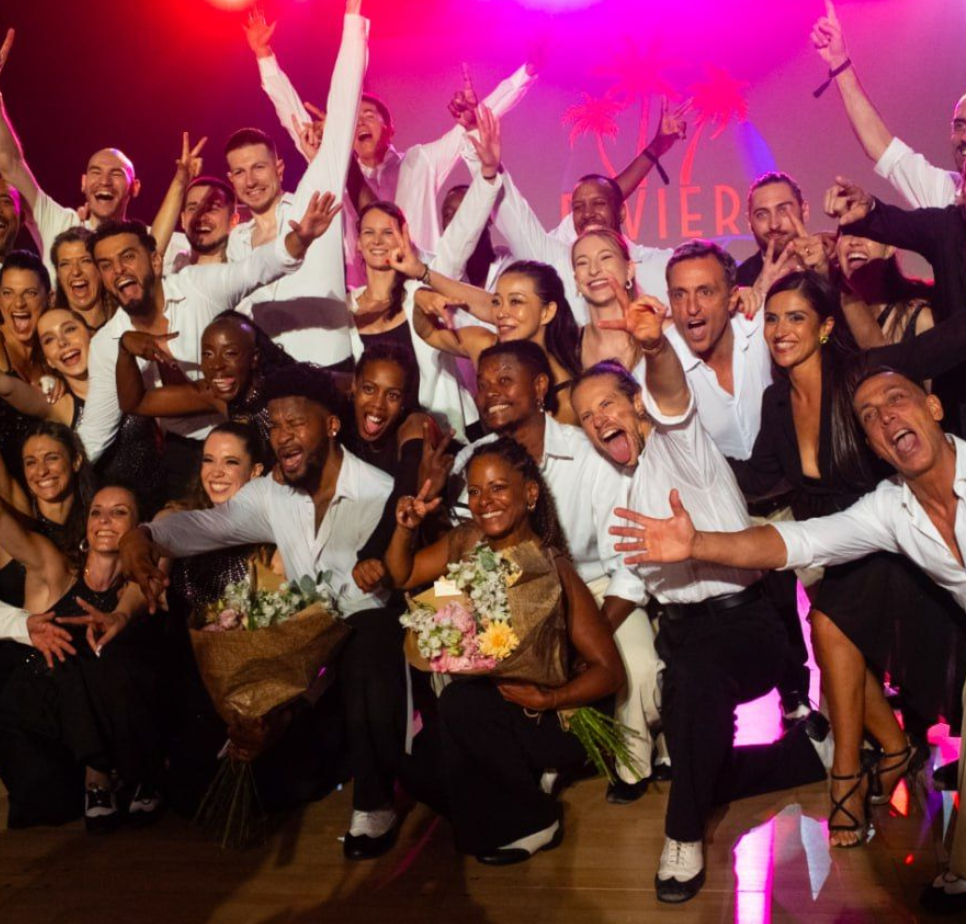
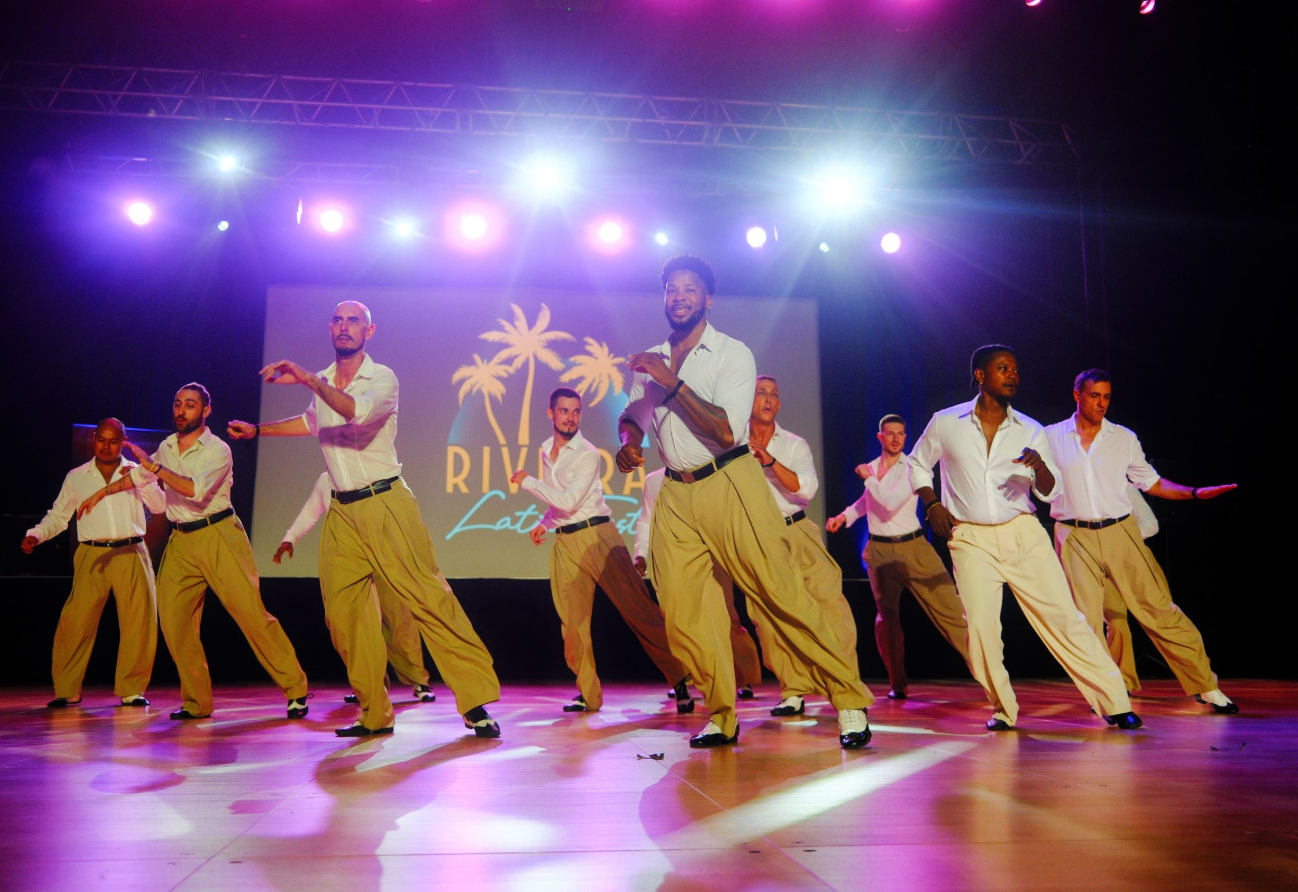
We shoot for emotion first: real crowd energy, the moments dancers actually want to relive. Every setup is chosen by one question, will someone send this to a friend? Coverage plans, shot lists and artist schedules exist so that spontaneity has somewhere to land.
Act two: how do moments become momentum?
Editing starts on-site, between sessions. First short-form content drops within 48 hours, while the festival is still trending in its own community. Waiting two weeks to post is how organizers bury their best marketing under everyone’s next weekend.
Act three: what gets released, and when?
The aftermovie, the artist edits, the recap galleries, each lands on a schedule tied to the organizer’s sales calendar, not to our render queue. Media is event leverage: pretty files matter less than the next edition selling earlier.
We do not deliver videos. We deliver the reasons people book next year.
What does an organiser need to have ready?
Almost none of it is equipment. The weekend runs on five things the festival already owns, and a crew that arrives without them spends the first day reconstructing them instead of filming.
- 1The running order, with the version number on it: the one the stage manager is working from on Saturday night, not last month's flyer.
- 2One name who answers at 2 a.m. A shot list is worthless if nobody can confirm which room the surprise showcase moved to.
- 3The sales calendar for the next edition. Release dates are set against it, so if early-bird opens in November the films are built to be ready before November, not after.
- 4The accounts the drops publish through, with access agreed before the weekend, not on the Monday when the window is already half gone.
- 5The floor's consent norms in one sentence, so the crew knows what the room expects before it starts filming inside it.
The fifth one is the one that gets skipped, and it is the one that changes the footage. A social floor films very differently depending on whether the room believes the camera is with it or at it, which is the whole argument of the etiquette piece.
What belongs in the media coverage scope?
This is the media coverage scope: filming, editing and release. The organiser runs the event and sells its passes. We plan finished edits and an organised release; delivery of raw footage and reuse terms belong in the agreed scope. A viral clip cannot be guaranteed. What is on the partners page is coverage, release and distribution through the SDTV network, with the deliverables agreed for each festival.
See related articleEvery Summer in Rovinj: One Festival, One Media SystemPlanning your next edition?
We cover festivals as a media partner: capture, release and distribution through the SDTV network.